K-Points News: Beyond the Headlines — War, Unrest, Commodity Prices, and Beyond

K-Points News: Beyond the Headlines — War, Unrest, Commodity Prices, and Beyond
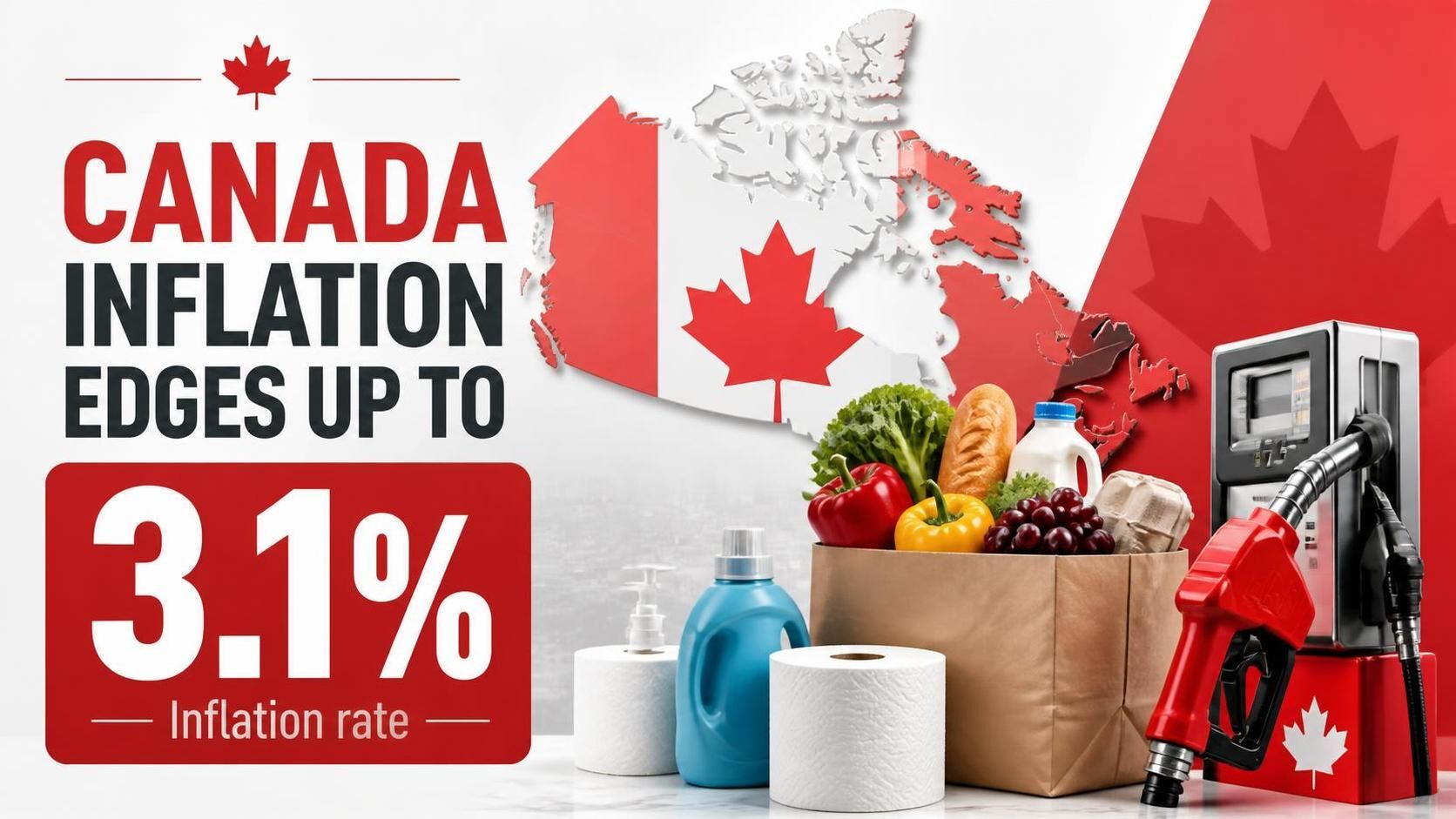
Canada’s annual inflation rate rose to 3.1% in September, up from 3.0% in August, driven primarily by high prices for gasoline and heating oil, Statistics Canada reported Monday. The rise of inflation is due to the ongoing impact of the Middle East conflict on global energy markets, which has kept fuel costs elevated despite the seasonal transition to cheaper winter blends.
The energy sector was the most significant contributor to the inflationary pressure. Gasoline prices surged 27.8% year-over-year in September, accelerating from a 22.8% annual increase in August. The cost of fuel oil and other heating fuels jumped 57.8%, up sharply from 43.7% in the previous month. The burden was particularly acute in Atlantic Canada, where a high proportion of homes especially in provinces like Nova Scotia and Newfoundland and Labradorrely on oil for heating.
Overall, the energy index climbed 19% year-over-year, compared to a 15.4% increase in August. Transportation costs were also a major driver, rising 8.4% annually as higher fuel prices rippled through shipping and logistics.
Grocery prices are 33% higher than they were in September 2020, placing continued strain on household budgets.
