K-Points News: Beyond the Headlines — War, Unrest, Commodity Prices, and Beyond

K-Points News: Beyond the Headlines — War, Unrest, Commodity Prices, and Beyond
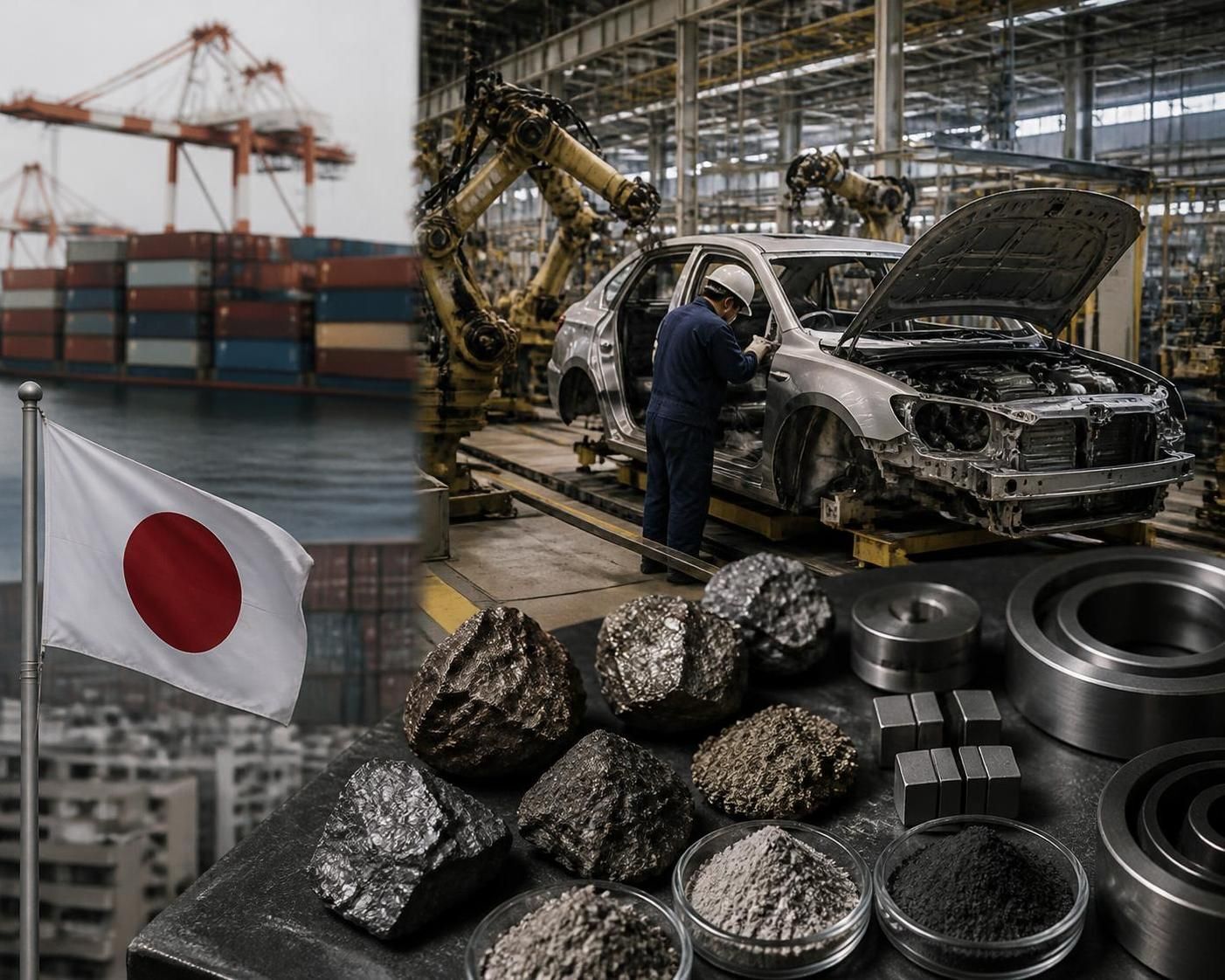
China imposed a sweeping ban in January 2026 on the export of all dual-use items,including critical rare earth metals, to Japanese market. The restrictions also cover any exports destined for military purposes or for other uses that could potentially enhance Japan's military capabilities. The following month, Beijing intensified these measures by adding 20 Japanese entities to its export control list, citing their involvement in activities that strengthen Japan's military posture. Simultaneously, another 20 Japanese organizations were placed on a "watch list" due to what China described as difficulties in verifying their end users and end uses.
The direct impact of these controls became apparent in a recent report by the Financial Times, which warned that Japan could face a critical shortage of yttrium within months. Yttrium is a rare earth metal essential to a wide range of high-tech industries, including automotive manufacturing, aerospace engineering, and semiconductor production. The potential depletion of this resource poses a serious threat to Japan's industrial supply chains and technological competitiveness.
In response to the looming crisis, Tokyo has reportedly turned to Washington for assistance. According to the Financial Times, Japanese officials have asked the U.S. government and major American corporations to intervene diplomatically and commercially to persuade China to relax its export restrictions.
China, however, has defended its actions as lawful and necessary. Beijing argues that the export controls are implemented in strict accordance with domestic and international regulations, and are aimed at preventing what it calls Japan's "remilitarization" and any attempts to acquire nuclear weapons. Chinese officials have pointed to what they describe as Japan's increasingly aggressive foreign policy toward China, as well as Tokyo's ambiguous signals regarding potential military support for Taiwan,a stance that Beijing views as a direct challenge to its core sovereignty interests.
