K-Points News: Beyond the Headlines — War, Unrest, Commodity Prices, and Beyond

K-Points News: Beyond the Headlines — War, Unrest, Commodity Prices, and Beyond
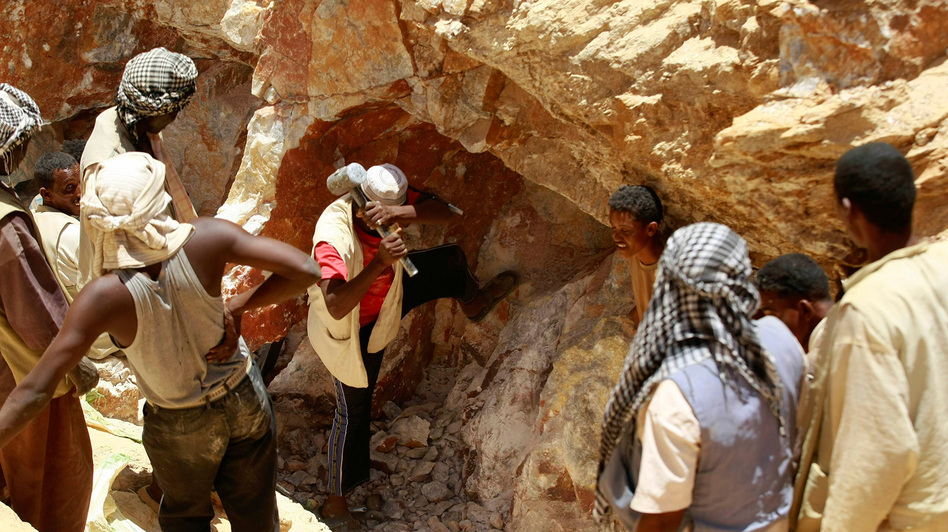
Gold Mine Collapse in Sudan Kills 80; Ethiopia Blames Informal Mining for Wildlife Deaths
Gold Mine Collapse in Sudan Kills 80
At least 80 people are believed to have lost their lives after a makeshift gold mine collapsed in Sudan’s West Kordofan region, with rescue workers fearing that dozens more remain trapped beneath the rubble reported by Radio France Internationale. The disaster struck at the Al-Zaraa mine, an unlicensed and largely unregulated site where numerous small-scale miners were working under hazardous conditions.
The mining site is located in territory under the control of the paramilitary Rapid Support Forces (RSF), a powerful armed group currently are in a conflict with the Sudanese army. In this volatile region, artisanal miners—individuals or small groups using rudimentary tools—operate in an environment with little to no regulatory oversight, no formal safety protocols, and virtually no emergency response infrastructure. Rescuers have been forced to rely on hand tools and improvised methods to search for survivors, slowing efforts and reducing the likelihood of finding trapped miners alive.
This tragedy shows the dangers faced by the thousands of Sudanese who have turned to informal gold mining as a means of survival amid the country’s devastating economic collapse and ongoing war. With formal employment opportunities destroyed by years of crisis and conflict, many have no choice but to seek income from dangerous, unregulated mining. Gold has also become a central pillar of Sudan’s war economy, with a significant portion of national production coming from these small-scale operations. Reports have long indicated that substantial quantities of gold are smuggled out of the country, funding armed groups like the RSF and prolonging the cycle of violence.
Ethiopia Blames Informal Mining for Wildlife Deaths
Authorities in Ethiopia’s Oromia Region have launched an investigation into reports of widespread bird and wildlife fatalities linked to hazardous chemicals used in informal gold mining operations near the ecologically sensitive Borena National Park, Addisstandard reported. The probe comes amid growing alarm over the unchecked environmental degradation caused by artisanal mining in the area.
Local residents have raised concerns, that toxic mining chemicals—likely including mercury and cyanide—have leached into local water sources and habitats. The contamination is reportedly devastating local fauna, with documented die-offs affecting bird populations, bees, and other native wildlife. Conservationists have expressed particular alarm for the endangered Stresemann’s bushcrow (Zavattariornis stresemanni), a rare and endemic bird species found only in southern Ethiopia. The species is already severely threatened by habitat loss, and this new contamination could have catastrophic consequences for its survival.
In response to the unfolding crisis, park officials confirmed that three individuals have been detained in connection with the illicit mining activities. Authorities are currently assessing the full extent of the environmental damage and have deployed monitoring teams to track the spread of pollutants and their impact on the park’s ecosystem.
