K-Points News: Beyond the Headlines — War, Unrest, Commodity Prices, and Beyond

K-Points News: Beyond the Headlines — War, Unrest, Commodity Prices, and Beyond
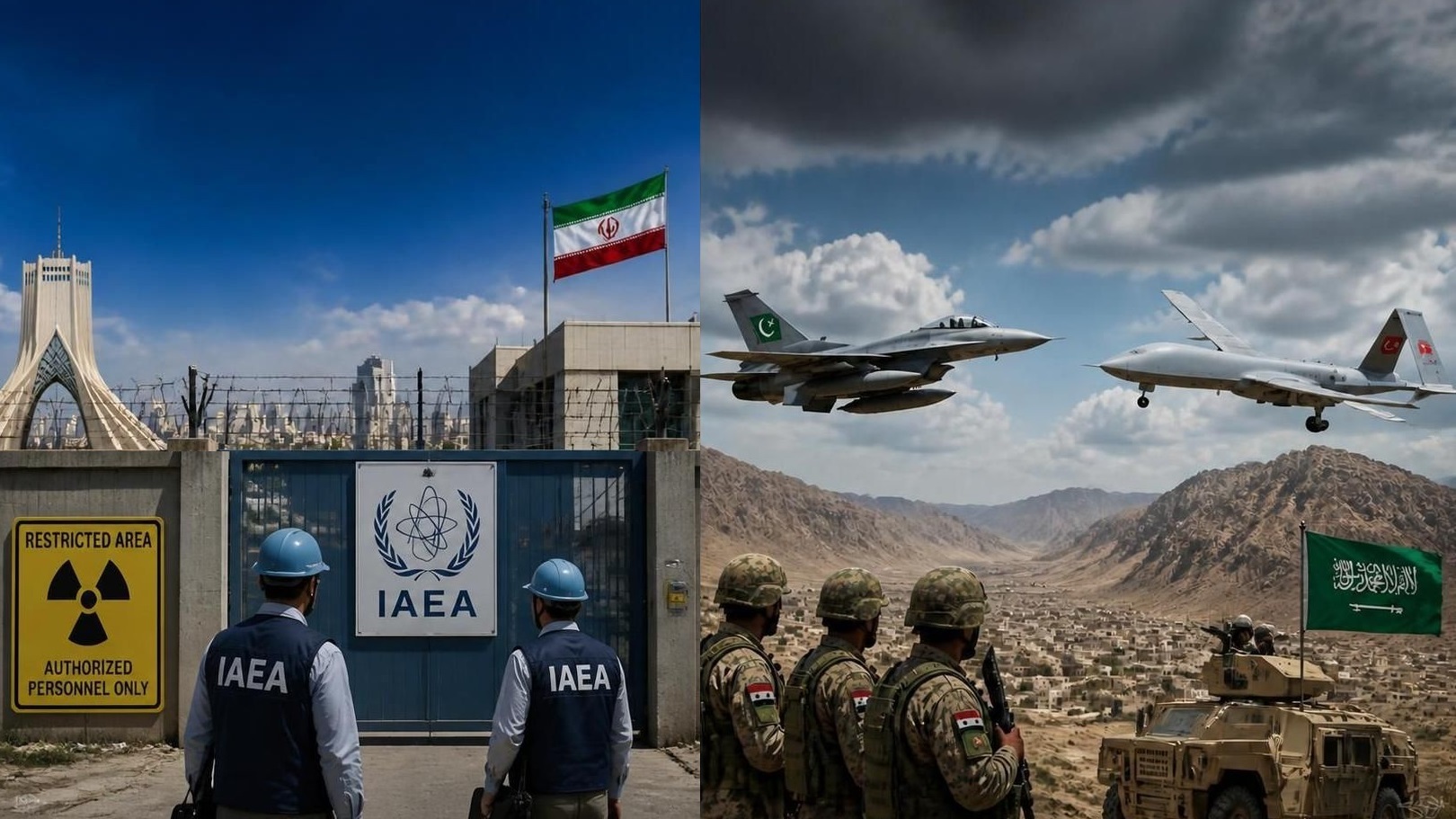
Iran Rejects IAEA Nuclear Inspections, Saying Agency Threatens Its National Security and Nuclear Scientists; Pakistani Fighter Jets, Turkish Drones, and Syrian troops Strike Yemen to Back Saudi War
Iran Rejects IAEA Nuclear Inspections, Saying Agency Threatens Its National Security and Nuclear Scientists
The head of the Atomic Energy Organization of Iran (AEOI), Mohammad Eslami, has ruled out the possibility of International Atomic Energy Agency (IAEA) inspections at Iranian nuclear facilities that have been either attacked by U.S. forces or are currently under the threat of potential strikes.
In a statement reported by the Es-Siyasa news portal, Eslami said that "Inspections of nuclear facilities that have been attacked or are under threat are impossible,".
Eslami further emphasized that any form of IAEA access is contingent on the establishment of secure conditions. "If safety conditions are not ensured, then, of course, Iranian facilities cannot be inspected,"
The AEOI explained that "cooperation with the IAEA is prohibited by law" in the current context, saying that the international Atomic Energy Agency "jeopardize the security of the country and its specialists." Iran has previously accused the International Energy Agency (IAEA) of sharing the names and addresses of its nuclear scientists with Israel and the United States, after which those scientists were targeted by Israel.
Pakistani Fighter Jets, Turkish Drones, and Syrian troops Strike Yemen to Back Saudi War
As Ansarallah-led Yemeni army forces gain the upper hand on the battlefield against Saudi-backed forces, Saudi Arabia is intensifying its calls for assistance from its allies. Reportss indicate that Pakistani fighter jets have actively participated in strikes against Ansarallah-led Yemeni army forces following the recent activation of the Mecca defense pact between Riyadh, Islamabad, and Ankara.
A senior Pakistani military official confirmed to the New York Times on Wednesday that “Pakistan Air Force fighter jets were being used in strikes” against the Yemeni Armed Forces (YAF) during the week. Pakistani military spokesman Ahmed Sharif Chaudhry also told CNN that Pakistani forces are already stationed in Saudi Arabia. “The forces of Pakistan are already there. That I can share with you,” he said, highlighting Islamabad’s direct military support for the Saudi Arabia.
Reuters reported that at least 8,000 Pakistani troops had been deployed to Saudi Arabia as part of this defense pact, alongside with Pakistanis fighter jets.
Some military experts believe that Pakistan’s role may primarily focus on defense and military support within Saudi Arabia, while Turkey is expected to provide advanced capabilities such as surveillance, air defense, and drone operations, complementing Pakistan’s efforts.
Turkiye Gazetesi reported that since the formation of the Mecca pact, over 200 Turkish military personnel, along with substantial quantities of Turkish electronic warfare systems and groundand air-defense missiles, have been transferred to Saudi Arabia. These Turkish defense systems are reportedly being used extensively against Ansarallah forces.
Reports also indicate that Turkish drones have been active over Yemen, with at least one Turkish drone reportedly shot down by Ansarallah fighters. Additionally, the Turkish report revealed that hundreds of Syrian army fighters have been deployed to support the Saudi-backed side in Yemen. Recent reports say that Saudi Arabia urged Syria to send at least 20,000 troops to fight in Yemen.
