K-Points: Beyond the Headlines — War, Unrest, Commodity Prices, and Beyond
K-Points: Beyond the Headlines — War, Unrest, Commodity Prices, and Beyond
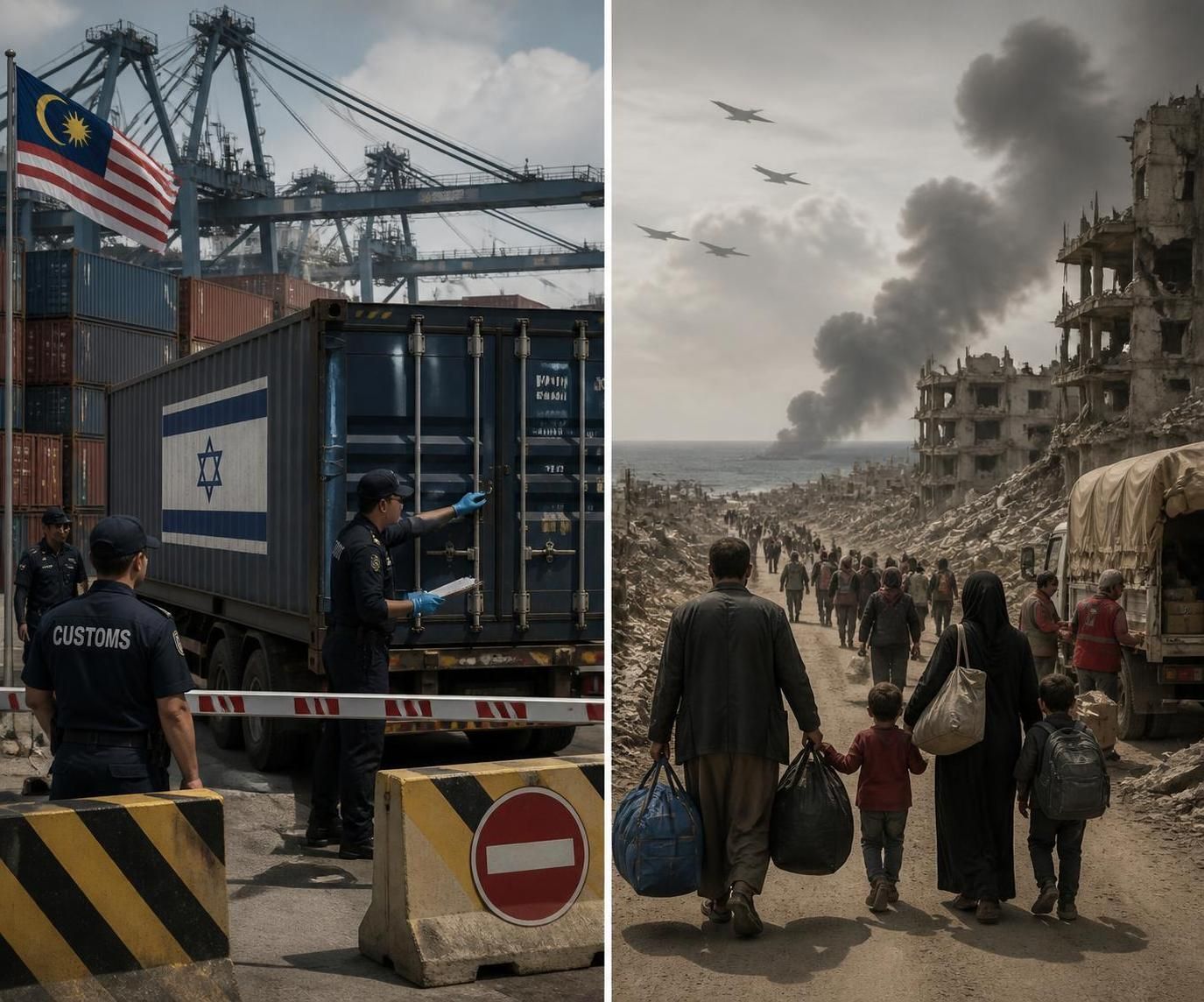
Malaysia Tightens Grip on Israel-Bound Container Shipments;
Saudi-Led War in Yemen Displaces Over 100,000 Amid Escalating Conflict
Malaysia Tightens Grip on Israel-Bound Container Shipments
Malaysia has intensified its inspection and control measures over container shipments bound for Israel, resulting in the detention of three containers destined for Isdud Port. These shipments are currently held at Malaysia’s Tanjung Pelepas port as authorities conduct thorough investigations into their contents, according to a report by Bloomberg.
This recent action follows a similar incident on August 7, when Malaysian authorities seized another container shipment originating from the Philippines. The Malaysian Border Control and Protection Agency suspected this shipment contained weapons because it was consigned to Elbit Systems Ltd., a well-known Israeli defense technology company.
Data from Hapag-Lloyd’s tracking system indicates that this earlier container also remains at the Tanjung Pelepas port, still under detention.
The seizure on August 7 led Malaysian Prime Minister Anwar Ibrahim to publicly reaffirm Malaysia’s firm stance against facilitating any trade that might support or enable Israel. At that time, Anwar emphasized Malaysia’s position by stating, “Malaysia will not be a conduit to trade flows that can support or contribute to the cruelty of the Israeli regime.” This declaration underscores Malaysia’s commitment to preventing its ports and trade channels from being used in ways that could aid Israeli military or defense activities.
Saudi-Led War in Yemen Displaces Over 100,000 Amid Escalating Conflict
The United Nations reported on Tuesday that the renewed Saudi-led military operations against Yemen’s Ansarallah movement (commonly known as the Houthis) have displaced more than 100,000 people within Yemen, while thousands more have fled abroad. The conflict reignited on July 13, 2026, when Saudi Arabia launched airstrikes on Sanaa International Airport, a key facility under Houthi control. This attack prompted swift retaliation from the Houthis, who fired missiles into Saudi territory.
In response, the Houthis expanded their military campaign by closing the strategic Bab al-Mandab Strait to Saudi shipping. Over subsequent days, they seized full control of the waterway and inflicted heavy damage on Saudi oil infrastructure, including key export terminals and pipelines. Saudi Arabia escalated its bombing campaign in return, striking both civilian and military targets across Yemen. The intensifying violence has triggered a new wave of internal displacement, as families flee the western coastal regions and head toward safer areas deeper inland.
In a stark warning, the UN refugee agency (UNHCR) stated that "rapidly escalating hostilities along Yemen's western coast have displaced more than 100,000 people inside the country and forced thousands more to seek safety across the Bab al-Mandab Strait in Djibouti." The agency highlighted the growing humanitarian crisis, with displaced populations facing severe shortages of food, water, shelter, and medical care.