K-Points News: Beyond the Headlines — War, Unrest, Commodity Prices, and Beyond

K-Points News: Beyond the Headlines — War, Unrest, Commodity Prices, and Beyond
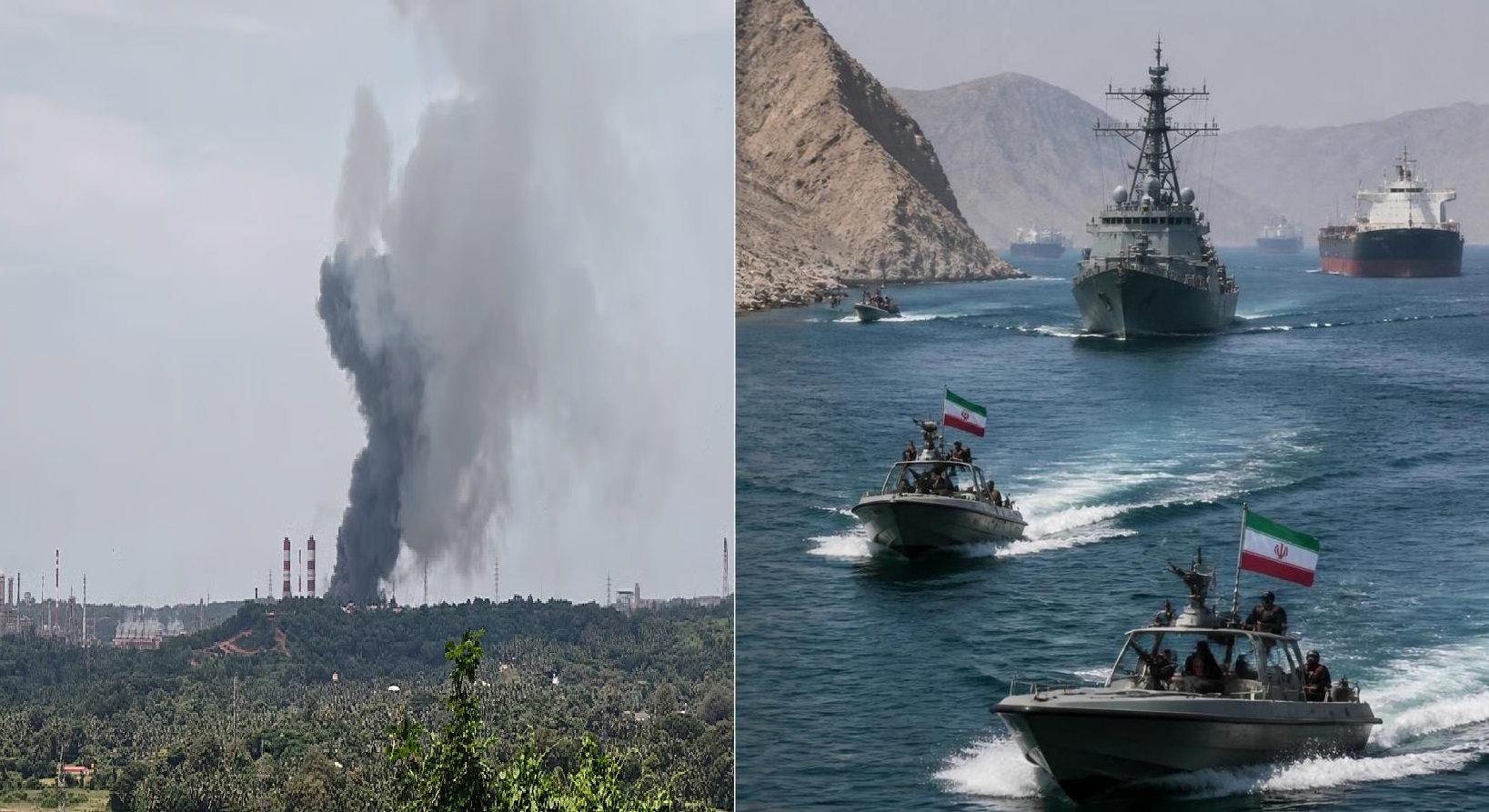
Massive Explosion in Major Indian Refinery ; Iran Tightens Grip on Strait of Hormuz
Massive Explosion in Major Indian Refinery
A huge explosion struck one of India’s largest petroleum refineries on Wednesday, killing one worker and injuring at least eight others media reported. This comes at a difficult time, as the country’s energy infrastructure faces mounting pressure amid fuel shortages linked to the US war on Iran
The explosion occurred at Mangalore Refinery and Petrochemicals Ltd. (MRPL), a state-controlled 15-million-tonne-per-annum facility in the southern port city of Mangaluru. According to the company (MRP), the incident was triggered by the sudden rupture of a high-pressure Cold Separator vessel within the Coker Hydrotreater Unit which is an important piece of equipment used for refining heavy residual oils into cleaner, high-value transport fuels like diesel and jet fuel.
The explosion caused a massive fire that took over two and a half hours for onsite emergency teams to fully extinguish. The company however has remained tight-lipped about the severity of the mechanical damage, failing to disclose how long the Coker Hydrotreater Unit will remain offline or whether the accident will force a reduction in the refinery's overall crude throughput.
The sheer force of the blast was staggering, explosions sound were heard over ten kilometers away. Local reports from the surrounding residential and industrial zones depict a scene of chaos, with broken windows, collapsed ceilings, and scattered debris damaging buildings in the immediate vicinity of the facility.
The timing of this accident could not be more inopportune for India's fuel market. MRPL had recently set more ambitious operational targets planning to run the Mangaluru refinery above 100% of its installed capacity through March 2027. This aggressive strategy was a direct response to the narrowing global supply of diesel and exceptionally high refining margins, created by the disruption of Middle Eastern energy flows due the closure of the strait of Hormuz.
Now, with this fresh blow to its operational integrity of MPRL refinery, a prolonged shutdown of the Coker Hydrotreater unit could prove devastating. Not only would it cause an increase in domestic fuel prices, but it would also tighten the already strained regional distillate inventories.
Iran Tightens Grip on Strait of Hormuz
In an interview with the semi-official Fars News Agency, IRGC spokesman General Hossein Mohebbi said that Iranian forces had taken action against vessels attempting to pass through the Strait of Hormuz without Iran consent during the previous 24 hours. He said the Iranian armed forces had also blocked the passage of several smaller boats operating in the strategic waterway.
According to Mohebbi, U.S. military forces had not responded to any of the reported incidents. He further asserted that the United States no longer possessed the military capability to conduct operations on the scale it had previously been able to undertake.
The IRGC spokesman said Washington had initially underestimated Iran’s ability to withstand sustained military pressure. He said that U.S. officials had expected Iran to capitulate in response to the deployment of American forces and military equipment to the region. Mohebbi claimed that U.S. policymakers had since developed a more accurate assessment of Iran’s military capabilities and its willingness to resist.
“The Americans believed that simply maintaining a military presence in the region and displaying their military hardware would be enough to force Iran to surrender,” Mohebbi said. He added that, shortly after U.S. forces were deployed, “the U.S. president expressed surprise that Iran had not surrendered.”
Mohebbi concluded that the United States was no longer in the position it had occupied during earlier stages of the conflict. He argued that American forces had sustained significant losses and that the overall U.S. military presence in the region had been reduced. In his view, these developments had weakened Washington’s ability to deter or respond to Iranian actions, particularly around the Strait of Hormuz, which Iran controls and is one of the world’s most strategically important maritime routes.
