K-Points News: Beyond the Headlines — War, Unrest, Commodity Prices, and Beyond

K-Points News: Beyond the Headlines — War, Unrest, Commodity Prices, and Beyond
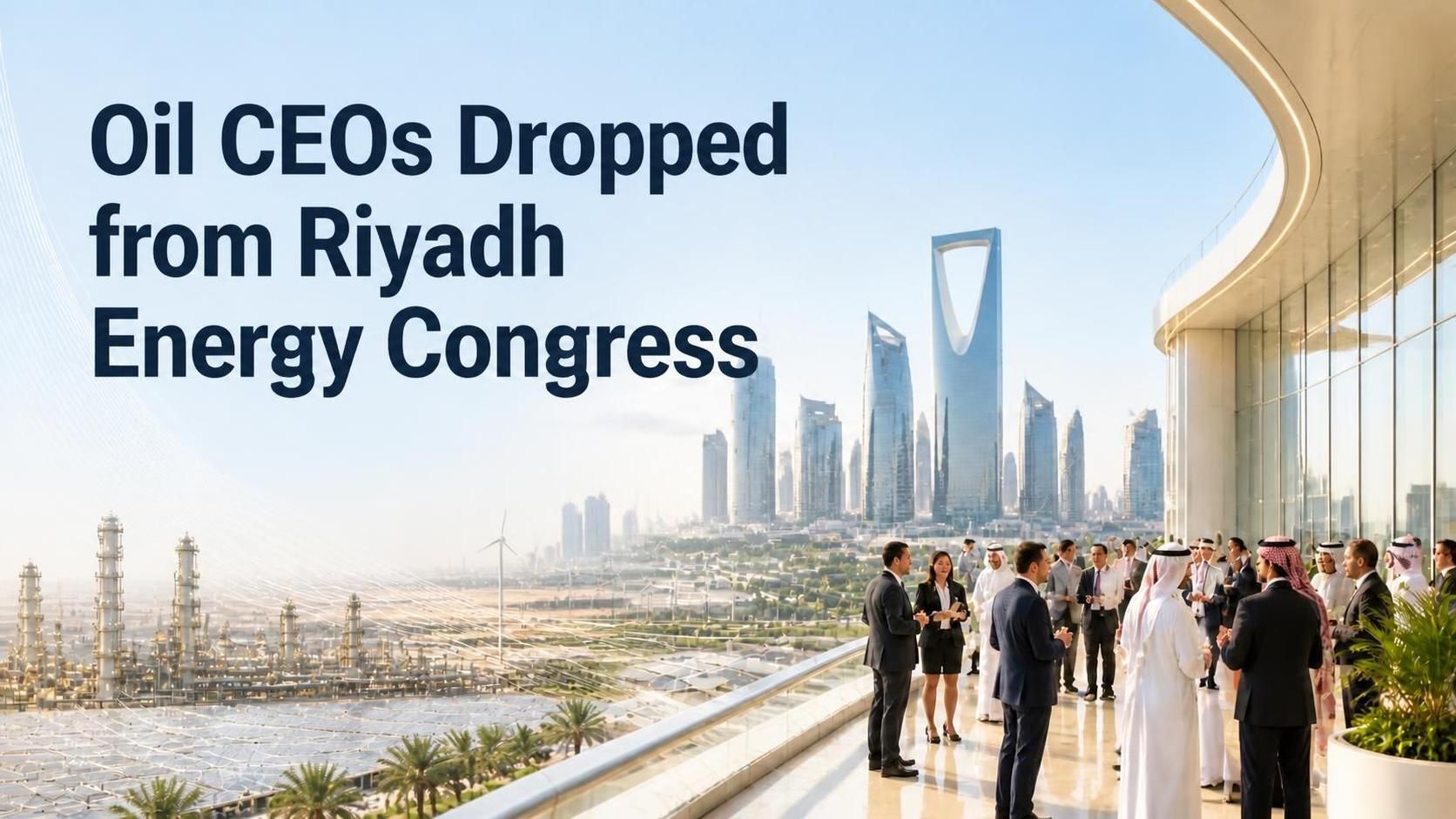
The ongoing conflict between Saudi Arabia and Yemen’s Ansarallah movement( Houties) continues to pose a serious security and political challenge for the Saudis. Its impact of the war was underscored by developments surrounding the WPC Energy Congress in Riyadh, where the chief executives of five leading Western oil companies including ExxonMobil, Chevron, Total Energies, Shell, and BP were removed from the event’s official schedule.
The changes in agenda came as Saudi authorities moved ahead with the WPC gathering despite a series of deadly attacks on Riyadh by Yemen’s Ansarallah movement. The congress, which began on Sunday, was intended to bring together senior energy officials, corporate executives, and policymakers to discuss global oil and gas markets, energy security, and the transition to cleaner sources of energy.
Saudi Energy Minister Prince Abdulaziz bin Salman opened the event on Monday and sought to reassure attendees that the kingdom remained capable of protecting visitors. He acknowledged, however, that recent developments were serious and that the Saudi response would need to be equally serious. His comments reflected the difficult balance facing the government: demonstrating confidence and continuity while managing the risks posed by renewed attacks.
Despite the Saudi assurances the US aviation warned of military activity and possible interference with navigation systems in Saudi airspace. The warning created additional uncertainty for international travelers and may have contributed to disruptions affecting executives and other conference participants. The conference venue is located roughly 10 kilometers from Riyadh’s international airport, which had reportedly come under attack four times in the preceding week.
According to Reuters, the five executives had been expected to appear at the congress but were absent from the program released by organizers early Monday. BP confirmed that travel disruptions prevented its representatives from attending in person. A company spokesperson said BP had “made every effort to participate” and emphasized that it “greatly value[s] our long-standing partnerships across the region.” Shell declined to comment, while ExxonMobil, Chevron, and Total Energies had not immediately provided explanations for the changes.
The attacks added to pressure on Saudi Arabia’s Vision 2030 program, the kingdom’s ambitious effort to diversify its economy beyond oil, attract foreign investment, and establish the country as a major destination for business, tourism, and international events. Hosting global conferences is a central part of that strategy, making the disruption particularly damaging to Riyadh’s efforts to project stability and openness.
The war initiated by Saudi Arabia in Yemen has now exposed the vulnerabilities in Saudi infrastructure and air travel. Saudi authorities reported that a new attack near the airport on Sunday evening killed one person and injured nearly a dozen others. The incident followed an earlier strike, also claimed by the Houthi movement, that reportedly killed 13 people and injured more than 300, the deadliest attack in Saudi Arabia in more than a decade.
