K-Points: Beyond the Headlines — War, Unrest, Commodity Prices, and Beyond
K-Points: Beyond the Headlines — War, Unrest, Commodity Prices, and Beyond
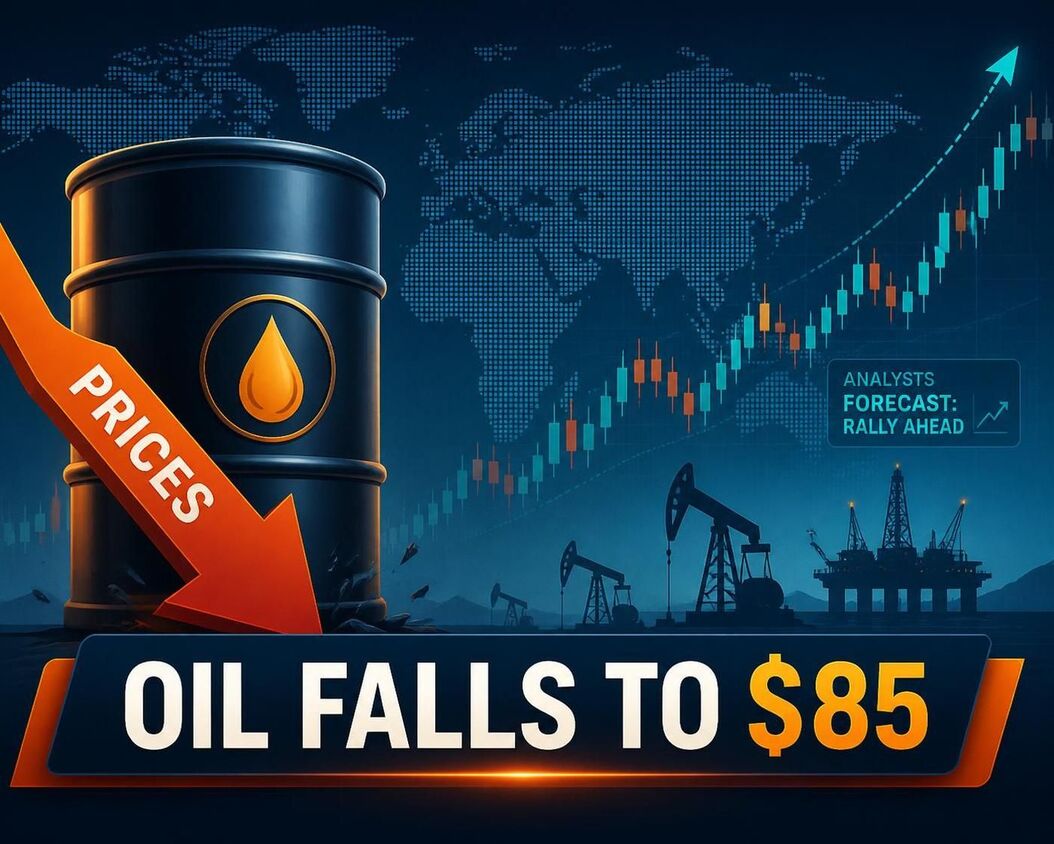
Oil Prices fall After Trump's Latest Comments, but Analysts Forecast Rally on Supply Shortages and Global Uncertainty
Oil prices fell to $85 a barrel after Donald Trump hailed “good talks” with Tehran, raising the prospect of a deal over the Strait of Hormuz. Oman has presented Iran with a proposal for joint management of the strategic waterway, while mediators report expectations of a “breakthrough” following talks between the US President and Israeli Prime Minister Benjamin Netanyahu.
According to Reuters, the Gulf-backed plan proposes a joint regional mechanism to manage the key waterway. Users would pay voluntary fees to fund maintenance costs, including navigation, environmental protection, and search and rescue services. The proposal draws on the model of the Strait of Malacca, managed by Indonesia, Malaysia, and Singapore.
The administration of the Hormuz strait has been a major sticking point between Tehran and Washington. The US war on Iran started in February, when the US launched its assault on that led to the closure of the Hormuz strati by Iran where a fifth of global oil and liquefied natural gas flowed through .
The latest round of fighting began following a memorandum of understanding signed by Trump and Iranian President Masoud Pezeshkian.
The agreement granted Iran the authority to “make arrangements using its best efforts for the safe passage of commercial vessels,” leading Tehran to designate a shipping corridor entirely within its territorial waters. Three days later, on June 20, the US-backed Joint Maritime Information Center announced that vessels could transit via a southern route under US guidance, directly challenging Iran’s new leverage. Iran responded by targeting commercial vessels, prompting US airstrikes in return.
Iran’s foreign ministry Abbas Araghchi discussed the regional issue with his Omani and Saudi counterparts on Monday. According to the statement, Araghchi “emphasised the need to strengthen cooperation and advance joint diplomatic efforts to establish stability in the region, and lift the insecurity imposed on the Strait of Hormuz due to the aggressive actions of the United States.”
Despite the ongoing talks, many analysts believe oil prices will rise. They cite supply shortages, the depletion of strategic reserves, and conflict between Yemen’s Houthis and Saudi Arabia which led to partial closure of Babalmandab strait.
Saudi Aramco’s 400,000 b/d refinery became a major victim of Yemen Houthi missile strikes, with fires burning across its storage tanks for three days. Adding to the pressure, Russia extended its gasoline export ban until the end of 2026 as Ukrainian drone attacks continue to disrupt refinery operations, while China is expected to ramp up crude imports for its industrial needs in the coming weeks. These factors lead analysts to expect that oil prices will not return to pre-war levels anytime soon and it could rise well beyond $120 barrel.