K-Points News: Beyond the Headlines — War, Unrest, Commodity Prices, and Beyond

K-Points News: Beyond the Headlines — War, Unrest, Commodity Prices, and Beyond
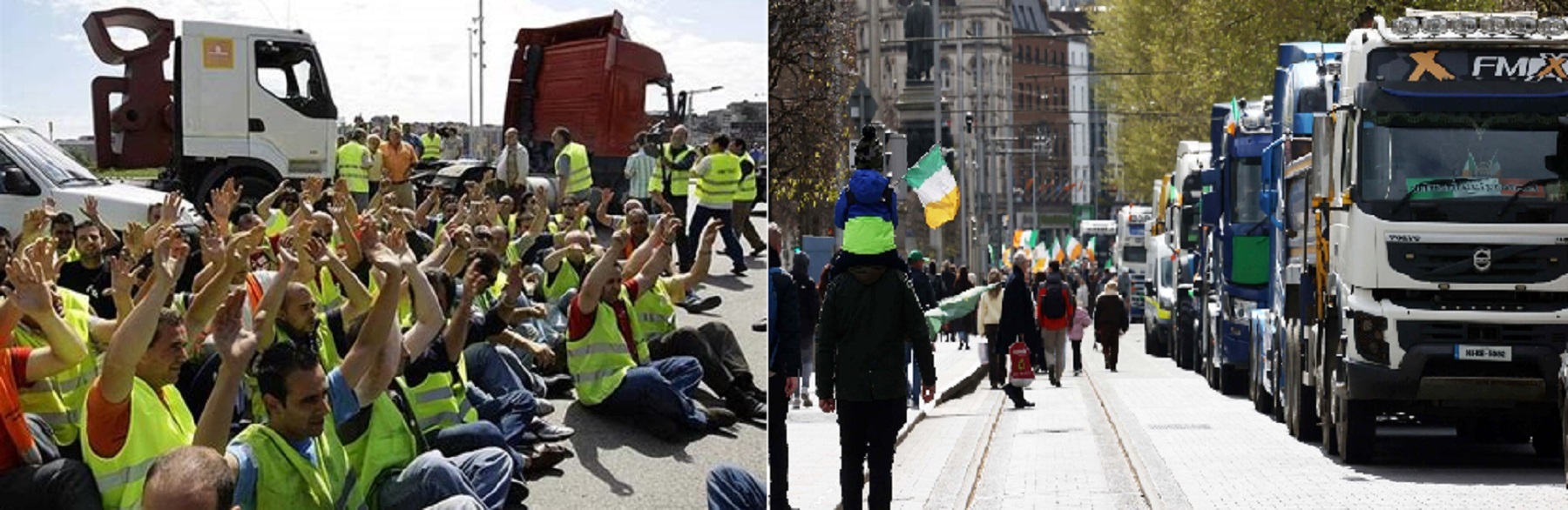
Protests over soaring fuel prices break out across EU countries
The impact of the ongoing U.S.-Iran tensions and the subsequent closure of the Strait of Hormuz are now beginning to manifest across the globe. Diesel fuel prices have surged significantly worldwide, placing huge pressure on numerous sectors and triggering widespread discontent.
In many European cities, protests have erupted in response to the sharp rise in fuel costs, as media reports a growing public frustration. In Portugal, hundreds of trucks participated in a demonstration on Friday to protest the rise in the price of diesel. The protesters drove at low speeds along three major highways leading to the city of Coimbra, causing severe traffic disruptions. Representatives from many industries including construction, underground works, and materials transport took part in the protest.
The price of diesel in Portugal has risen from approximately €1.60 per liter at the end of February before US attack on Iran to €2.22 per liter currently. With this high price for some businesses in the sector, fuel expenses now account for more than half of their total production costs.
Similar protests have erupted in France, where fishermen blocked the ports of Nice, Sète, and Le Grau-du-Roi, as well as an oil depot in Frontignan in the south of the country. The demonstrators demanded lower fuel costs and increased state support for their industry.
In response to the unrest, French authorities were forced to expand aid programs for citizens and sectors hardest hit by the surging cost of fuel. Many analysts predict that if the Strait of Hormuz remains closed, fuel prices will rise further, and the limited assistance currently offered to workers by authorities will not be enough to keep them afloat. As a result, we can expect wider protests.
In average the market prices for diesel across EU countries had more than doubled compared to levels at the start of the year. This sharp increase is being driven by reduced petroleum product supplies from the Middle East—exacerbated by the disruption at the Strait of Hormuz—as well as the European Union’s ongoing policy of phasing out energy imports from Russia.
