K-Points News: Beyond the Headlines — War, Unrest, Commodity Prices, and Beyond

K-Points News: Beyond the Headlines — War, Unrest, Commodity Prices, and Beyond
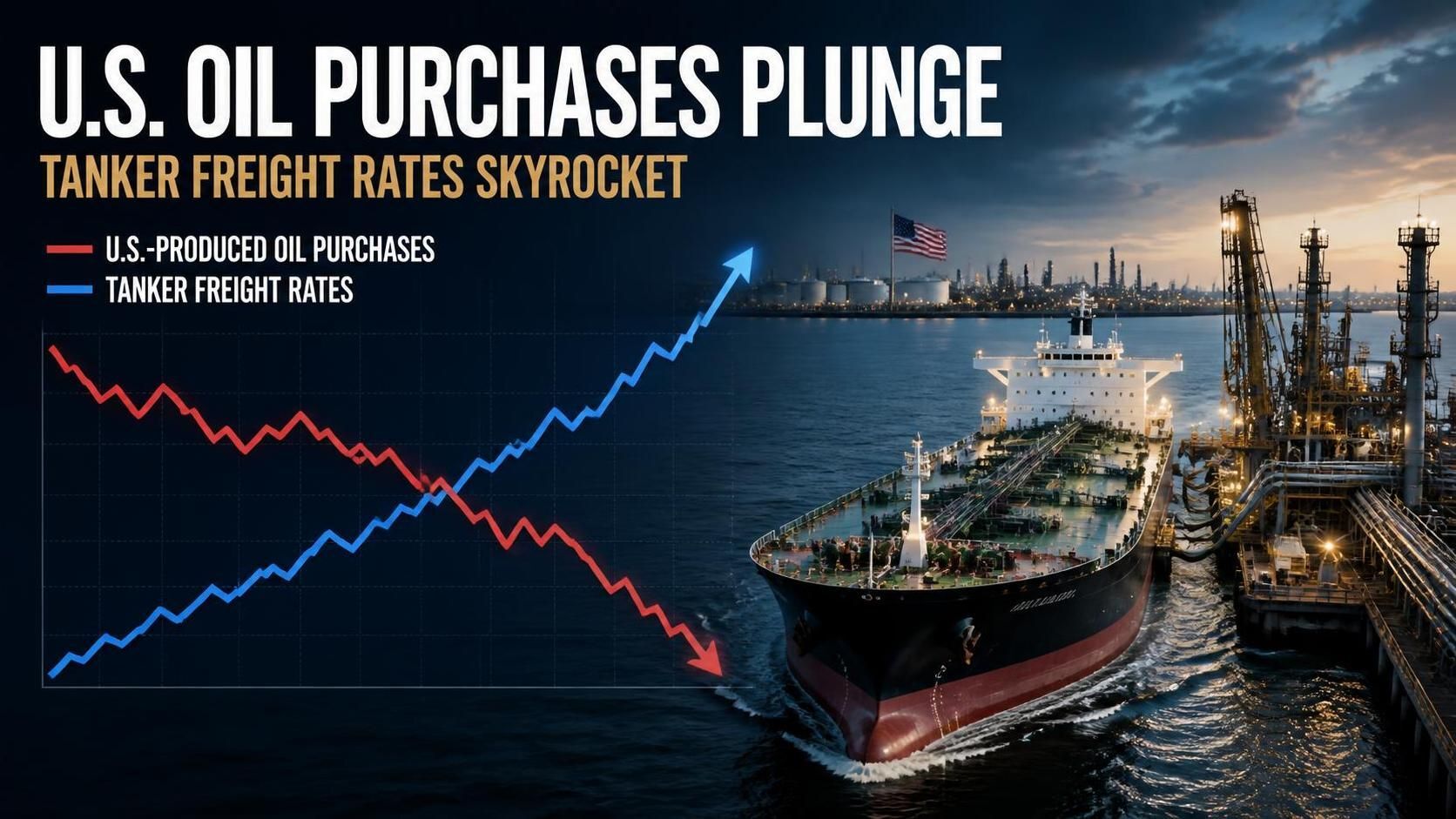
In the early weeks of the U.S. war on Iran, crude oil and petroleum exports from the United States surged to a record high due to disruptions in Middle Eastern oil flows, prompting many countries, especially in Asia, to increase purchases of U.S. oil. However, the ongoing U.S. military campaign, combined with American efforts to escort ships through the Strait of Hormuz and Iran’s retaliatory strikes on tankers lacking Iranian consent for passage, disrupted the global tanker market and added shipping crisis to the existing oil supply and fuel crisis.
The war has reshuffled trade routes and patterns, tying up more in inefficient and lengthy voyages. Moreover, the limited flow of oil through the Strait of Hormuz is now conducted via Ship-to-ship ( transfers in the Gulf of Oman. These operations keep supertankers waiting for weeks outside of the strait, reducing the availability of large crude carriers for other key global oil routes such as the US Gulf Coast to Asia. This inefficiency has caused vessel availability to plummet and freight costs to soar to record levels, effectively erases the incentive to ship crude oil from the U.S. Gulf Coast to Asia.
The cost of shipping crude from the U.S. to China recently reached as high as high as $78 million earlier this month. That’s ten times the average tanker rates that had held for years before the Iran war. Although the cost is dropped to about 60 million this month , it remains still high, leading Asian refineries avoid ordering much U.S. crude for November delivery.
Bloomberg reported that for this month, Asian refiner orders for U.S. crude fall by about 50% from September, to roughly 25 million barrels for November delivery. If orders stay at this low level for the rest of the monthly trading cycle, Asia could receive its lowest delivery of U.S. crude oil in seven years in November, based on vessel-tracking data.
