K-Points News: Beyond the Headlines — War, Unrest, Commodity Prices, and Beyond

K-Points News: Beyond the Headlines — War, Unrest, Commodity Prices, and Beyond
Qatar Extends LNG Force Majeure , Ethiopia at War
Qatar Extends LNG Force Majeure
Qatar has announced an extension of its force majeure declaration on liquefied natural gas (LNG) shipments to its key markets in Asia and Europe for an additional month. The extension comes amid the ongoing tensions in the Persian Gulf as well as the operational challenges that continue to impact Qatar’s LNG export capabilities.
According to reports, QatarEnergy, the state-owned energy giant, has informed its LNG buyers in Pakistan, Bangladesh, and India that cancellations of scheduled LNG shipments will continue throughout November. Similarly, Italy’s Edison, a major European energy company, has confirmed that its LNG deliveries from Qatar will remain suspended until early December. QatarEnergy has yet to issue an official public statement regarding the extended force majeure status.
The force majeure situation originated following the outbreak of the war between US and Iran, which led to a significant disruption in Qatar’s LNG operations. An Iranian missile strike targeted Qatar’s LNG infrastructure, forcing a shutdown of key export facilities. Since then, QatarEnergy has been issuing monthly updates to its customers, regularly canceling planned LNG deliveries as the situation remains unresolved.
While Qatar, in coordination with Iran, managed to increase LNG shipments through the strategically critical Strait of Hormuz in September, the overall flow volume remains well below pre-war levels. Iran has recently reiterated its firm stance on maintaining its conditions for reopening the Strait of Hormuz, a vital maritime chokepoint that facilitates about 20% of the world’s LNG shipments. Meanwhile, diplomatic efforts have been complicated by mixed messages from U.S. leadership, with President Donald Trump sending unclear signals regarding the possibility of negotiating a peace agreement with Iran.
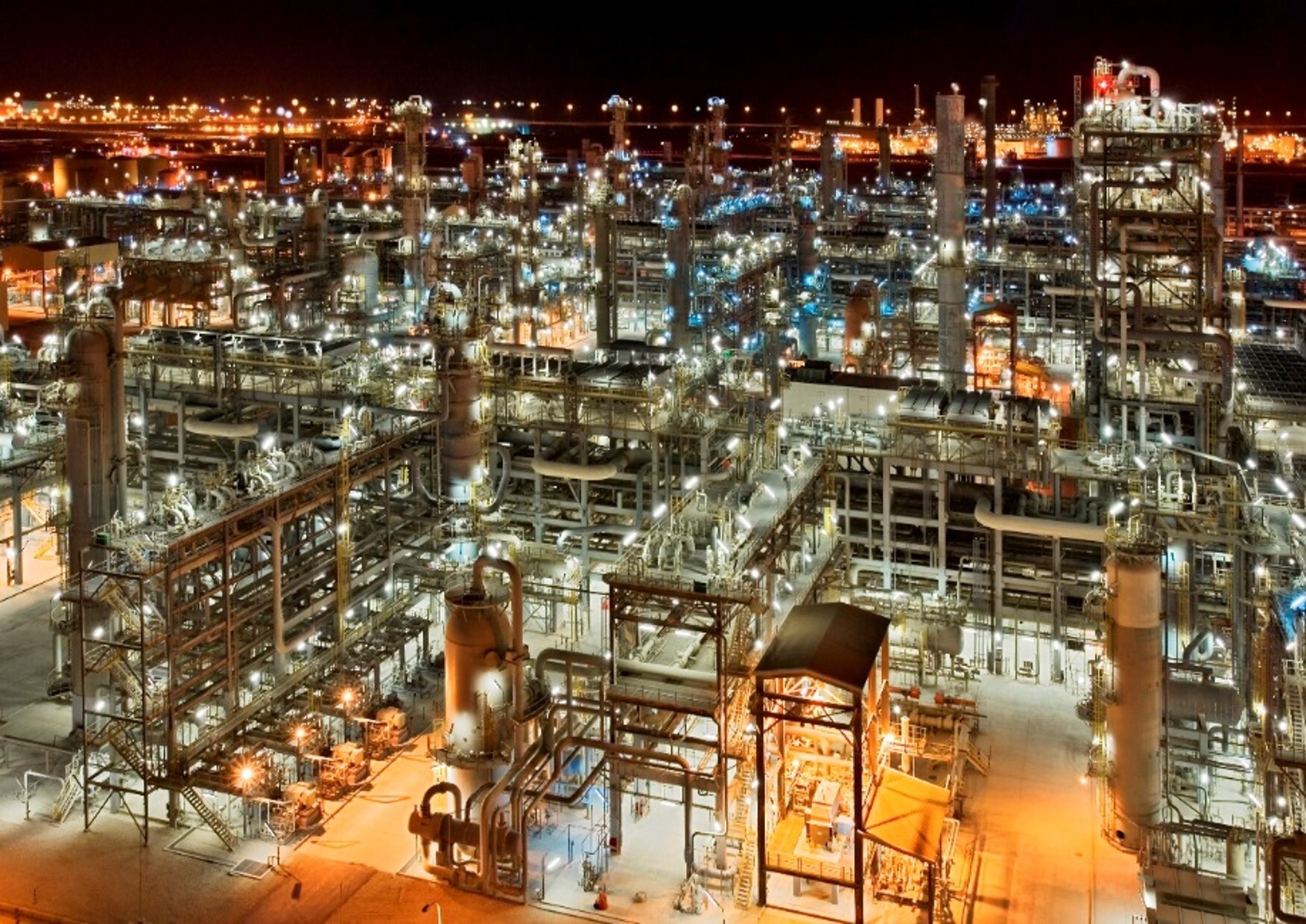
In addition to the geopolitical and logistical challenges, Qatar’s LNG export capacity has been further hampered by damage sustained at its Ras Laffan LNG export facility. The plant, one of the world’s largest LNG production hubs, was attacked and damaged in March, forcing QatarEnergy to operate at reduced capacity. This operational limitation compounds the supply constraints caused by the force majeure and regional tensions.
Ethiopia at War
While global attention remains mainly focused on the escalating conflict between the US and Iran—and, to a lesser extent, the onging war between Russia and Ukraine—another devastating conflict has been unfolding largely out of the spotlight: the intensifying war between the Tigray militia and Ethiopia’s federal government.
Members of the Tigray militia have officially declared that they are in a state of “full-blown war” with Ethiopia’s central authorities. The militia has seized control of several strategic towns and key airports, strengthening its hold over the northern region. Reports from neighboring areas appear to support these claims, describing heavy artillery bombardments and the rapid movement of armed forces through contested territory.
The Tigray People’s Liberation Front (TPLF), the region’s dominant political and military force, has claimed responsibility for the advances. In a coordinated operation, TPLF fighters reportedly captured three major airports in Mekelle, Shire, and Axum—critical facilities that provide significant logistical and tactical advantages. The small federal police contingents stationed to protect the airports were allegedly overwhelmed and taken prisoner.
As international attention remains fixed on other wars, the humanitarian and geopolitical consequences of this largely overlooked conflict continue to manifest.
