K-Points News: Beyond the Headlines — War, Unrest, Commodity Prices, and Beyond

K-Points News: Beyond the Headlines — War, Unrest, Commodity Prices, and Beyond
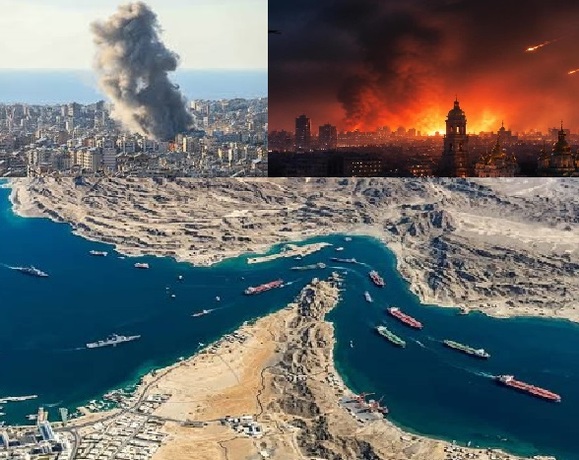
Russia Intensifies Strikes on Ukraine, Israel Presses Lebanon Offensive, Oman and Iran Reach Agreement on Strait of Hormuz Management, Ending U.S.-Iran Conflict
In response to a Ukrainian drone attack, the Russian Armed Forces launched a large-scale coordinated strike involving missiles and drones across the country overnight.
The primary focus of the attack was on logistics and distribution hubs in and around Kyiv, which play a critical role in funneling Western military supplies and equipment to Ukrainian front-line forces, Tasss reported. The strikes are part of a broader Russian strategy to degrade Ukraine’s ability to sustain operations by disrupting supply chains and storage facilities. Ukrainian air defense systems were active throughout the night, though local officials reported several hits, with emergency services working to contain fires and assess damage.
Meanwhile, the situation along the Israel-Lebanon border remains volatile. Israeli airstrikes targeted the area between the towns of al-Mansouri and Majdal Zoun in southern Lebanon. According to Al Mayadeen’s , the Israeli military also carried out demolition operations of houses overnight into Wednesday in the villages of Kfartebnit, al-Mansouri, and Haddatha.
In the Nabatieh district, Israeli forces used flare bombs over the heights of Kfar Roumman, likely for illumination or psychological operations. Further south, near the border, Israeli occupation forces conducted bulldozing operations on the outskirts of Kfar Shouba, while simultaneously sweeping the area with machine-gun fire. In the towns of Haddatha and Zawtar al-Sharqiyah, sources reported that Israeli forces carried out systematic demolition of structures.
Iran and Oman have reached an agreement on the geographical coordinates of a new maritime route via the Strait of Hormuz, according to Iranian Foreign Ministry Spokesman Esmail Baghaei. Speaking through the ministry’s official Telegram channel, Baghaei stated: “Geographical parameters of the route, which were being discussed by the sides, have been agreed. And, if certain third countries refrain from obstructing the process, a joint statement of the two countries, outlining the major agreed-on provisions and key aspects, is now at the final stages of approval and preparatory work.”
The announcement follows earlier reports from Iran’s media, reported that the future agreement does not automatically imply the reopening of the Strait of Hormuz to normal maritime traffic. Instead, any resumption of full navigation would ultimately depend on decisions by the United States – a key player in Gulf security and sanctions enforcement. The new route, likely designed to bypass current restrictions or enhance Iran’s trade resilience, could have significant implications for global oil transit and regional power dynamics. The joint statement, expected to be released soon, is being closely watched by international markets and maritime security experts.
