K-Points: Beyond the Headlines — War, Unrest, Commodity Prices, and Beyond
K-Points: Beyond the Headlines — War, Unrest, Commodity Prices, and Beyond
Russia Threatens Strikes on British Military Facilities, Trump Sold ExxonMobil Oil Stocks Right Before Iran Ceasefire Announcement, Iran Vows Retaliation if US Attempts to Seize Its Oil at Sea
Russia Threatens Strikes on British Military Facilities
Russian Foreign Ministry Spokeswoman Maria Zakharova has issued a warning to the United Kingdom, asserting that Moscow reserves the legal and military right to target British military installations anywhere in the world—including on UK soil. This declaration follows what Russia claims are confirmed Ukrainian strikes using British-supplied weaponry.
In a statement , Zakharova accused London of crossing a red line by supplying Kyiv with Storm Shadow cruise missiles, arguing that this action definitively proves the UK is a direct, active party to the conflict.
"The saga of the Storm Shadow missiles perfectly encapsulates London's deep and direct involvement in the Ukrainian conflict," Zakharova declared. "The United Kingdom exerted considerable effort to evade questions regarding the deployment and use of these systems, but at a certain point, their use became irrefutably obvious."
She said that Russia is now fully within its rights to retaliate against Ukrainian strikes that employ British weapons. This retaliation, she warned, would not be limited to Ukrainian territory. "Given these strikes, Moscow has every right to attack any British military facilities and equipment, whether they are located in beyond its borders," she said.
Trump Sold ExxonMobil Oil Stocks Right Before Iran Ceasefire Announcement
According to financial disclosures reviewed by CBS News, President Donald Trump's investment accounts sold close to 1 million worth of ExxonMobil stock on April 7. That sale occurred on the same day Trump publicly announced a ceasefire in the ongoing conflict with Iran—and just hours before Exxon shares opened 6.5% lower in trading.
The timing of the transaction has raised scrutiny, as the announcement of a de-escalation in hostilities could have been expected to influence oil markets, and by extension, ExxonMobil’s stock price. The sale allowed Trump to unload a significant portion of his Exxon holdings before the market opened lower the following day.
While the exact details of who initiated or authorized the trades remain unclear, the disclosure adds to ongoing questions about potential conflicts of interest involving the president’s personal finances and his official actions. Critics have pointed to this as another instance where Trump’s policy decisions may have coincided with favorable outcomes for his business interests.
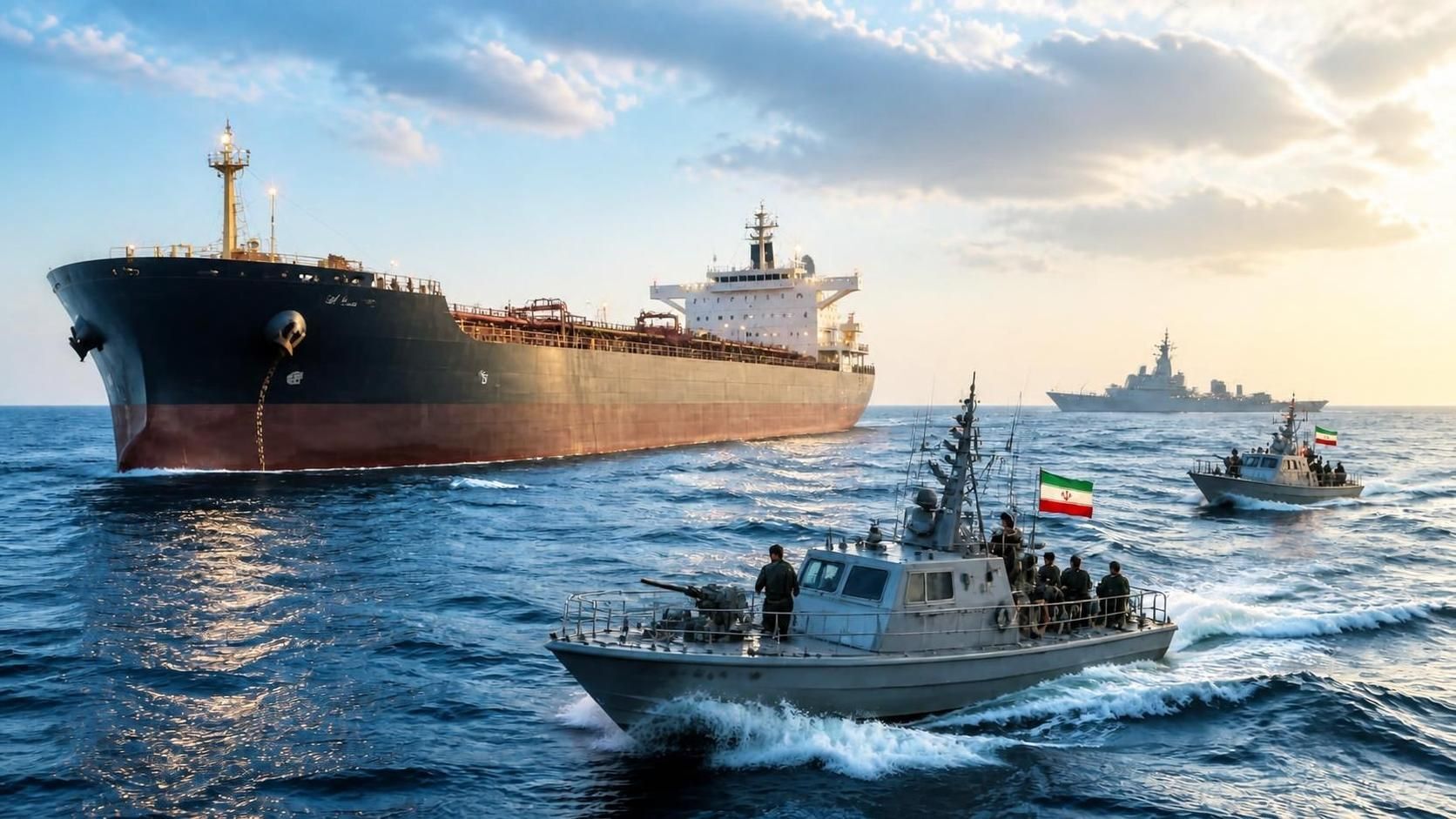
Iran Vows Retaliation if US Attempts to Seize Its Oil at Sea
A senior Iranian security official has issued a direct warning that Tehran will respond "swiftly and decisively" to any attempt by the United States to revive a controversial legal mechanism known as "prize courts"—a historical law tool used to detain oil tankers and seize Iranian oil shipments Nournews agency reported.
The official explained that if Washington moves to formally detain Iranian tankers and confiscate their cargoes under the guise of wartime seizure—effectively treating them as "prizes of war"—the Islamic Republic of Iran will not hesitate to impose "serious and swift measures" aimed at imposing reciprocal costs on U.S. interests throughout the Persian Gulf region.
"If America is going to detain Iranian oil at sea and then confiscate it under the title of war prize, it must also be prepared to expose American interests to corresponding retaliatory measures," the official warned. This includes a direct threat to U.S.-linked assets in shipping, energy, insurance, finance, and critical infrastructure across the Gulf. The official added that companies and institutions involved in owning, financing, insuring, or operating U.S. interests in the region have already been identified and are being actively monitored.
The Iranian official said that Tehran does not seek to harm regional trade or disrupt the activities of neutral states. However, he cautioned that this restraint should not be mistaken for an inability to act.
"If the Americans believe they can take advantage of the complexities of the maritime navigation network and intermediary companies to avoid bearing the consequences of their actions at the hands of Iran, they are mistaken in this belief," the official said. He further noted that, if necessary, Iran would calibrate its response proportionally to each level of U.S. escalation.
"Beginning the organized detention and confiscation of Iranian oil will mean the beginning of a two-way process," the official stated, warning that Washington cannot grant itself the right to confiscate while simultaneously expecting its interests in the Gulf to remain reciprocal action.
The official stressed that the final decision on the nature and scale of any Iranian response will depend entirely on the conduct of the other side. However, he made clear that if the United States escalates its economic and maritime confrontation with Tehran, Iran possesses the means and the will to increase the cost of such actions significantly.