K-Points: Beyond the Headlines — War, Unrest, Commodity Prices, and Beyond
K-Points: Beyond the Headlines — War, Unrest, Commodity Prices, and Beyond
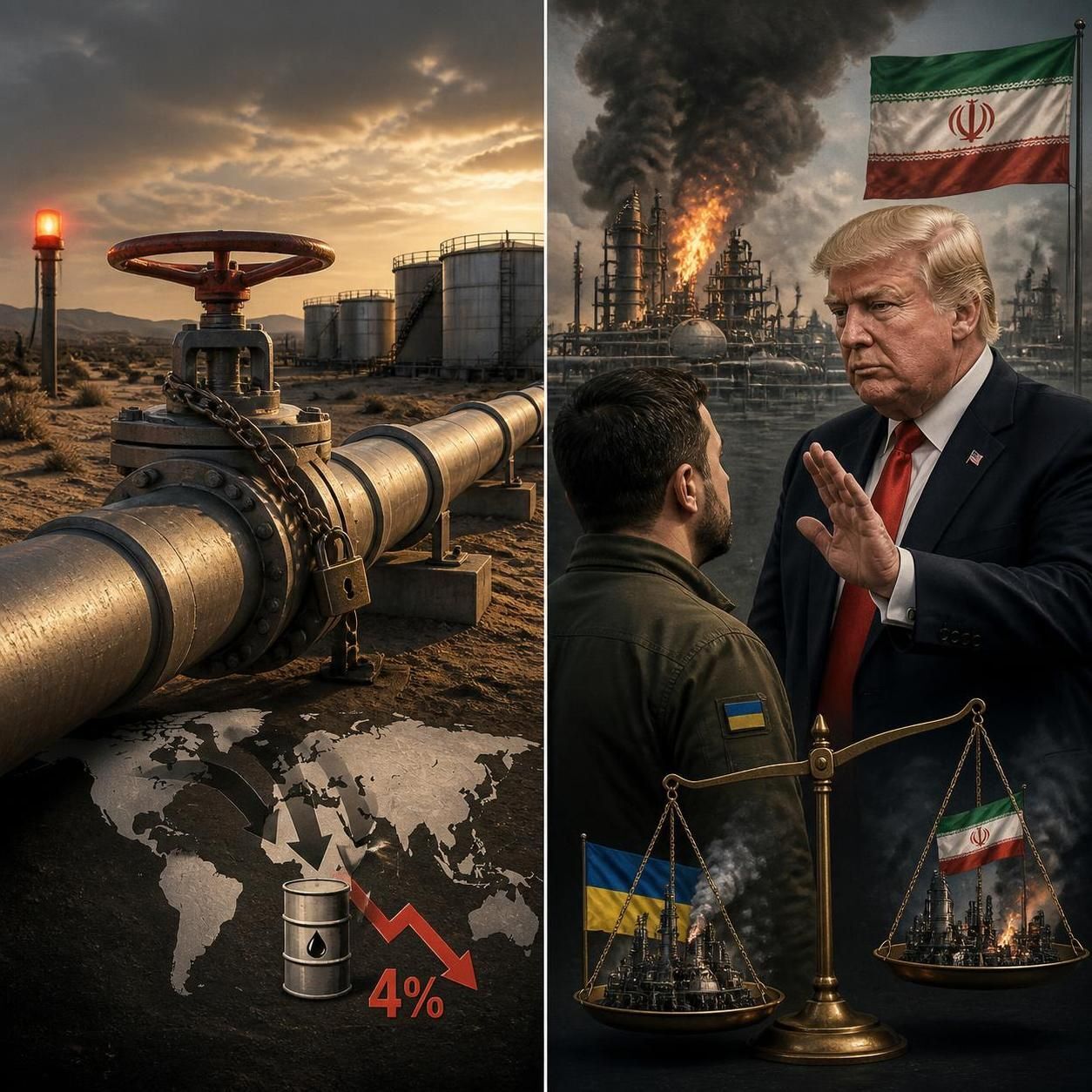
Saudi Pipeline Shutdown Set to Cut 4% of Global Oil Supply;
Trump Urges Ukraine to Cease Oil Refinery Strikes, Overlooking His Own Order to Bomb Iranian Oil
Saudi Pipeline Shutdown Set to Cut 4% of Global Oil Supply
Saudi Arabia could be forced to halt its crude oil exports within days if it does not restart its major East-West pipeline to the Red Sea, a disruption that may remove up to 4 percent of the world’s total oil supply from the market, Reuters reported on Sunday.
The pipeline’s closure comes after drone attacks launched from Iraqi territory struck the critical infrastructure on Friday, forcing Riyadh to shut down the 1,200-kilometer (745-mile) link that bypasses the Strait of Hormuz. Saudi has so far not disclosed full details regarding the extent of the damage or a timeline for reopening the route.
Any further reduction in Saudi export flows would deepen the global supply crunch already pushing fuel prices to record highs since the onset of the US-Iran conflict. Analysts warn that extended downtime could strain already tight markets, with inventories depleted and geopolitical tensions further complicating alternative supply routes.
There are conflicting assessments of the repair timeline. One estimate suggests that repairing the damage could take five to six weeks.The uncertainty has added to volatility in oil markets, with traders and investors closely monitoring statements and actions from Riyadh, as well as the potential for an extended period of conflict between Saudi Arabia and the Houthis.
Trump Urges Ukraine to Cease Oil Refinery Strikes, Overlooking His Own Order to Bomb Iranian Oil
President Donald Trump has urged Ukraine to halt its strikes on Russian oil refineries, cautioning that continued attacks on diesel-producing facilities risk triggering severe diesel shortages in global markets. Meanwhile, the United States has been conducting military operations against Iranian oil tankers and infrastructure, which in turn has provoked Iranian retaliatory strikes on US-linked vessels and energy assets. These two major conflicts—one in Ukraine, where the US supports Kyiv as a proxy, and the other a direct confrontation with Iran—have compounded pressure on global oil and LNG supplies.
“Zelensky has to do one thing. He has to stop knocking out diesel fuel in Russia,” Trump told reporters at his golf club in Ireland. The American leader said the attacks “lead to a shortage” of diesel and stressed that the Middle East was not the primary threat to global fuel supply—rather, it was the Russia-Ukraine conflict.
“This isn’t done by the Middle East. This is done by what’s happening with Russia and Ukraine,” Trump said, adding that he had already raised the issue directly with Zelensky.
“Don’t hit diesel fuel because that’s hurting. That’s hurting the world. We don’t want him to hit diesel fields,” Trump emphasized.
The President’s appeal comes amid acute volatility in global energy markets. On July 30, the Russian government imposed a temporary ban on gasoline and diesel exports, set to remain in effect until January 31, 2027, as Moscow attempts to stabilize domestic fuel prices in the wake of Ukrainian drone strikes on refineries and storage facilities.
The dual crises in Ukraine and the Middle East have laid bare the fragility of global fuel supplies—and how swiftly regional conflicts can disrupt the steady flow of energy that the world relies on.