K-Points News: Beyond the Headlines — War, Unrest, Commodity Prices, and Beyond

K-Points News: Beyond the Headlines — War, Unrest, Commodity Prices, and Beyond
Skyrocketing Diesel Prices Threaten the Survival of US Farmers; UN Investigators Accuse US of Possible War Crimes in Iran
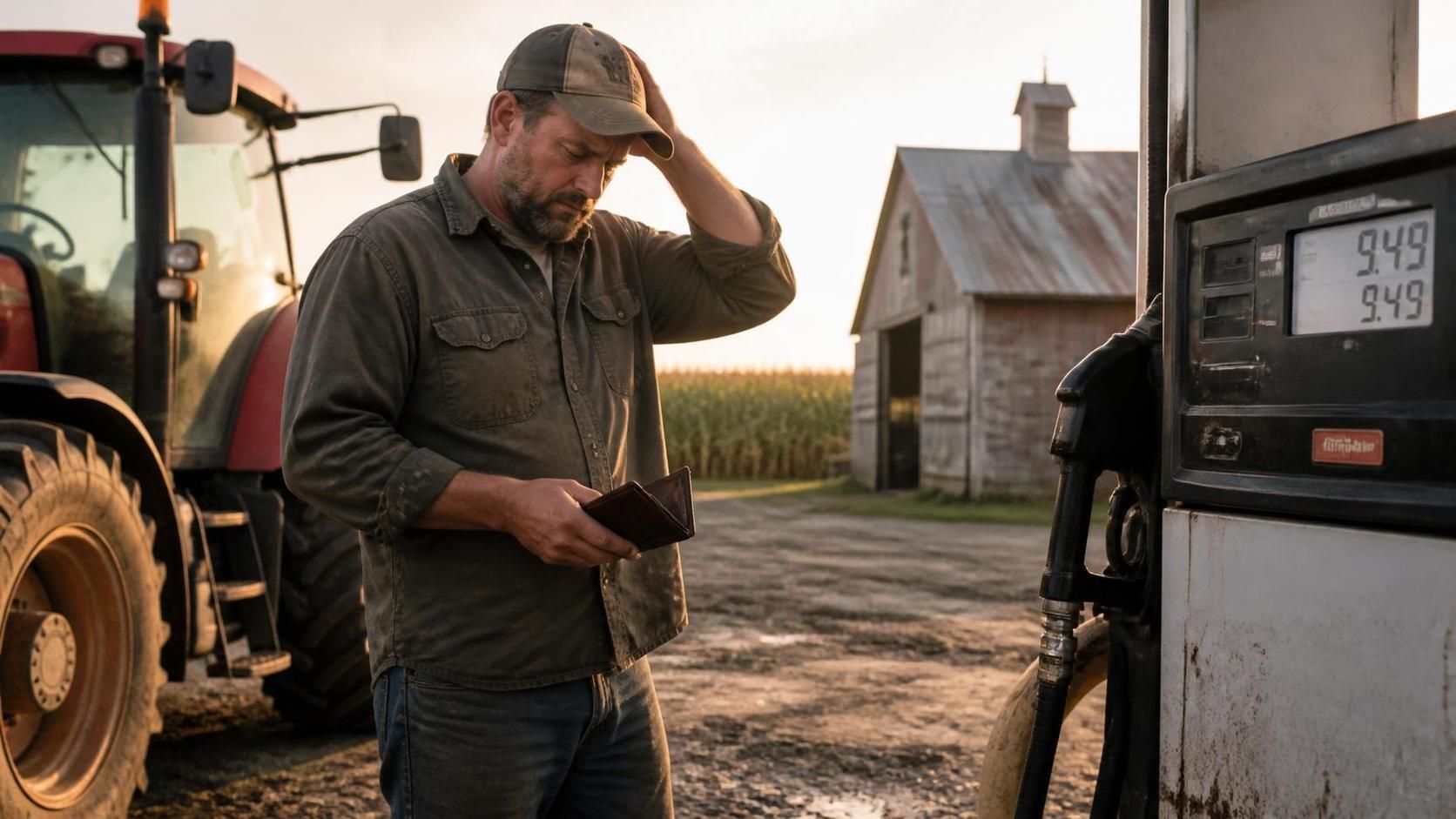
Skyrocketing Diesel Prices Threaten the Survival of US Farmers
Farmers across the United States are facing a financial crisis as diesel prices climb to unprecedented levels, adding pressure to an industry already struggling with rising labor, equipment, fertilizer, and land costs.
The average price of diesel in US reached $6.31 per gallon on Wednesday, while prices in parts of California rose above $10 per gallon. Some service stations have even faced difficulties displaying the prices on their traditional three-digit signs, which were not designed to accommodate such steep increases.
The surge comes at the worst possible time for farmers. Harvest season is entering its busiest stage, forcing producers to operate combines, tractors, grain trucks, and other heavy machinery for long hours. Crops such as corn and soybeans must be harvested quickly to avoid losses caused by bad weather, crop deterioration, or delays in getting the produce to storage and markets.
The spike in diesel prices has been linked to disruptions in the global oil market following the war that United States waged against Iran early this year. The conflict caused the closure of the Strait of Hormuz, a vital shipping route through which more than 20 percent of the world’s oil supply normally passes. The disruption has sharply reduced the movement of crude oil and placed additional pressure on fuel prices worldwide.
In an interview with Newsweek, John Boyd, founder and president of the National Black Farmers Association, criticized the administration’s claims that the United States was winning the conflict.
“Trump says the United States is winning the war in Iran and we are in control of the Strait of Hormuz. Based on $10 diesel fuel, we are losing the war,” Boyd said.
Boyd, a grain and cattle farmer from Virginia, said in the same interview that the high cost of fuel is making it increasingly difficult to bring in crops profitably. He told Newsweek that he was harvesting corn selling for approximately $5 per bushel while paying about $7 per gallon to fuel his combine harvester. With the machine’s fuel tank holding roughly 140 gallons, a single fill-up costs nearly $1,000.
For farmers, fuel is not an optional expense. Tractors and combines must be fueled repeatedly throughout the planting and harvesting seasons. Diesel is also required to transport crops from fields to storage facilities, grain elevators, processing plants, and ports. As fuel prices rise, the increased costs affect nearly every stage of agricultural production.
Boyd said many farmers are already operating on extremely narrow profit margins and cannot absorb another major increase in operating expenses.
“They just can’t survive,” he said, describing the pressure facing farmers across the country.
The fuel crisis is compounding several long-running problems in American agriculture, including low crop prices, high interest rates, expensive machinery, rising insurance premiums, labor shortages, and growing debt.
The consequences could extend beyond the farm sector. If fuel prices remain elevated, transportation and production costs are likely to rise throughout the food supply chain. Those increases could eventually be passed on to wholesalers, retailers, restaurants, and consumers, raising the price of food and other essential goods.
With no immediate end to the conflict in sight, farmers fear that diesel prices could continue climbing during the critical harvest period. Unless prices stabilize or emergency assistance becomes available, producers may be forced to reduce operations, delay fieldwork, sell equipment, or take on additional debt simply to complete the harvest.
This is all the result of a war of choice that Trump initiated against Iran — a war that should never have happened.
UN Investigators Accuse US of Possible War Crimes in Iran
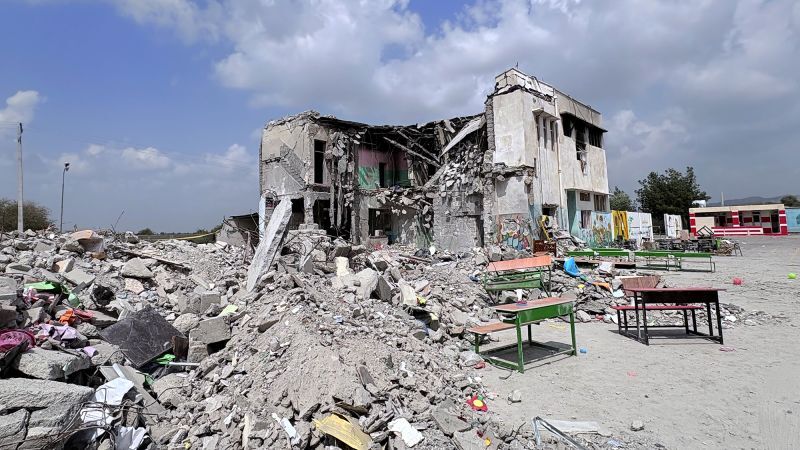
United Nations human rights experts have determined that there are “reasonable grounds” to believe that U.S. military strikes on an Iranian elementary school and a sports facility in February 28th constitute war crimes. The findings, based on evidence gathered by the UN panel, point to two separate attacks that took place in southern Iran on the same day.
The first and deadliest strike occurred on 28 February at an elementary school in the city of Minab. According to the UN experts, this was a “double-tap” attack—an initial strike followed by a second deliberate hit on the same location as survivors and first responders gathered. The first strike killed 165 people, the vast majority of whom were students between the ages of 7 and 12. The second strike targeted those who had come to assist or shelter, compounding the devastation.
Hours later, a separate attack hit a sports hall in the nearby city of Lamerd, killing at least 21 people. The UN report notes that dozens of teenage girls were among the dead, with many others injured. Investigators emphasized that both the school and the sports hall were “clearly identifiable” as civilian structures, with no apparent military presence at either location.
A subsequent investigation by The New York Times revealed that the strikes employed a newly developed U.S.-made ballistic missile that had never before been tested in combats untested nature, experts suggest, may have contributed to errors in targeting and a failure to distinguish between military and civilian objectives.
Based on these findings, the UN-backed panel concluded that there are “reasonable grounds to believe the United States committed the war crime of launching indiscriminate attacks resulting in the loss of life or injury to civilians or damage to civilian objects.”
