K-Points News: Beyond the Headlines — War, Unrest, Commodity Prices, and Beyond

K-Points News: Beyond the Headlines — War, Unrest, Commodity Prices, and Beyond
(Photo HRW)
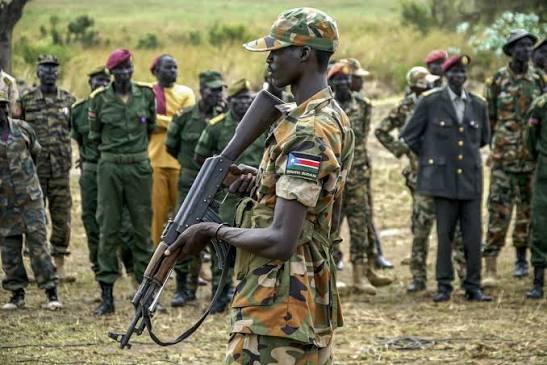
The war between Sudan’s Armed Forces (SAF) and the paramilitary Rapid Support Forces (RSF) has intensified in North Kordofan and parts of Blue Nile state media reported. This marks a significant new phase in a war that began in April 2023. These regions, already fragile due to chronic underdevelopment and previous cycles of violence, are now witnessing intense ground combat and aerial bombardments. The fighting has forced thousands of farmers to flee their homes at the height of the planting season, threatening to deepen an already catastrophic food crisis. Farmers who have been displaced or killed cannot tend their fields, leaving vast areas unplanted and worsening the outlook for harvests later this year.
Since the start of the war more than 12.4 million people, both internally and across borders have been displaced making it one of the world’s largest displacement crises. An estimated 24.6 million people, nearly half of Sudan’s population, are now facing acute food insecurity. Aid agencies report that hundreds of thousands of young children are suffering from severe acute malnutrition, with many at imminent risk of death without immediate intervention. The nutritional emergency is compounded by drought in some areas and devastating floods in others. In addition fuel shortages hampering transport and agricultural machinery. These factors have driven food prices to record highs, placing even basic needs out of reach for most families.
Without a push for a ceasefire from countries like UAE and a halt to arms supplies, the humanitarian tragedy in Sudan will only deepen, pushing millions more to the brink of famine.
