K-Points News: Beyond the Headlines — War, Unrest, Commodity Prices, and Beyond

K-Points News: Beyond the Headlines — War, Unrest, Commodity Prices, and Beyond
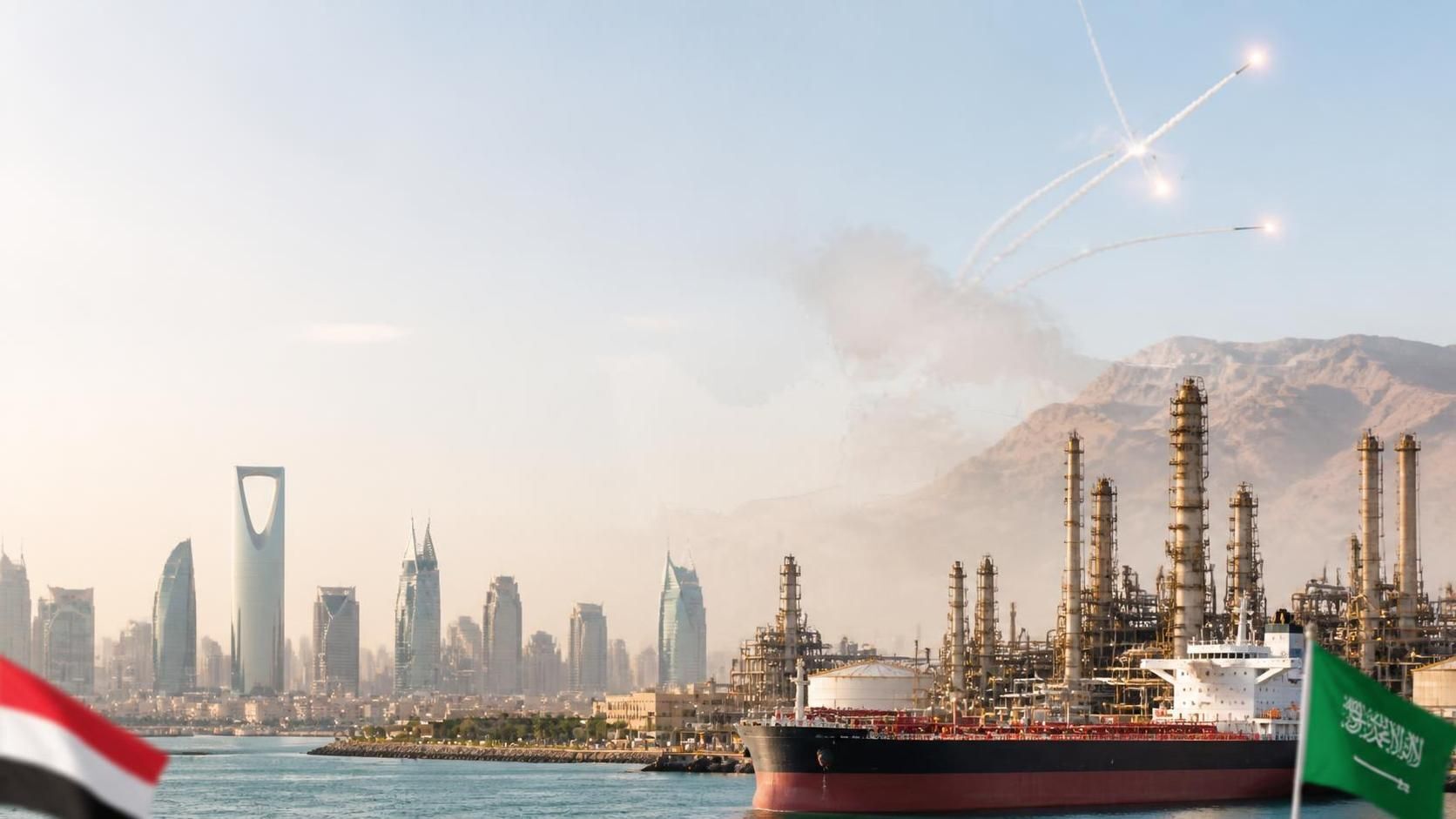
More than 11 years after the Saudi-led military intervention in Yemen began, the conflict is now increasingly creating serious consequences for Saudi Arabia itself. Following renewed Saudi airstrikes, including attacks on Sana’a International Airport, Ansarallah (Houthi) forces, once largely under siege by Saudis have demonstrated surprising resilience and a growing offensive capability.
In retaliation, Yemeni forces have blocked the Saudi maritime traffic around the Bab al-Mandab Strait and targeted critical Saudi energy infrastructure. The continuing attacks are disrupting aviation, placing additional strain on the Saudi economy, and undermining investor confidence.
The European Union Aviation Safety Agency (EASA) recently expanded its warning zone covering Saudi airspace, citing attacks near Riyadh’s King Khalid International Airport that reportedly killed 12 people and injured several others. EASA warned of risks from Yemeni missiles and drones, falling debris from Saudi interception systems, and the possibility that civilian aircraft could be misidentified during military operations.
The heightened security concerns have contributed to major flight disruptions. Airlines including Pakistan International Airlines, Lufthansa, Air India, Akasa Air, Emirates, Etihad Airways, and other UAE-based carriers have all suspended or reduced flights to Saudi Arabia. These disruptions could also affect the upcoming Future Investment Initiative conference, a major event supporting Crown Prince Mohammed bin Salman’s Vision 2030 program. As one Gulf expert observed, if the attacks continue, Saudi Arabia’s efforts to promote itself as an open destination for business and tourism could face a “big problem.”
The closure of both the Bab al-Mandab Strait and the Strait of Hormuz, combined with damage to Saudi refineries and other energy facilities, is placing further pressure on the kingdom. Because Saudi Arabia remains heavily dependent on oil revenues, prolonged disruption to oil production, exports, and shipping could severely damage its economy. Unless the conflict with Yemen is brought to an end, the financial and strategic costs for Saudi Arabia are likely to continue mounting.
Some analysts even suggest that the conflict could topple the Saudi ruling family. They argue that the presence of Turkish and Pakistani military forces in Saudi Arabia is intended more to protect the ruling family from collapse than to fight against Yemeni forces
